
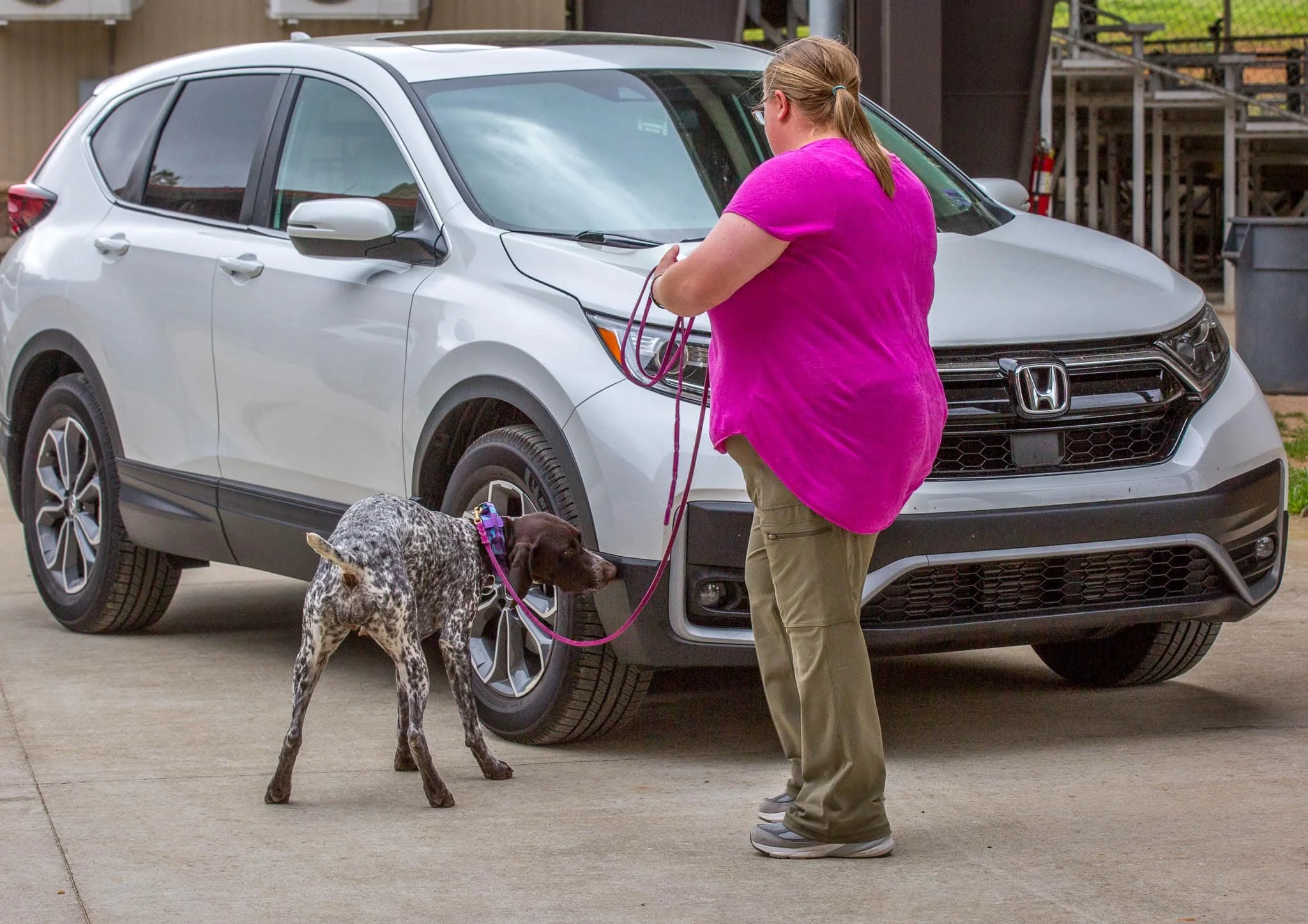
Intentional Handling: The Other End of the Leash, Part 1
Developing an independent detection dog doesn't mean developing an irrelevant handler. Good detection work requires knowing when to give our dogs room to solve problems and when thoughtful participation can help them succeed. Let's explore the other end of the leash.
Unsafe or Uncomfortable? Why the Difference Matters in Dog Training
Discomfort, uncertainty, frustration, and even overwhelm aren't necessarily signs that a dog is unsafe. Learning to recognize the difference matters — because confidence and resilience aren't built by avoiding every difficult experience.
Why You Can’t Out-Exercise a High Drive Dog
Trying to physically exhaust a high drive dog often creates exactly what you don’t want: a fitter dog who can go longer and still hasn’t learned how to settle. Fulfillment matters, but so does teaching an off switch.
Sometimes the Best Thing I Can Do as a Trainer Is Nothing
Good training isn’t always about giving the dog more information. Sometimes the dog already has what they need — and our job is to give them enough time and space to think, problem-solve, and find the answer.
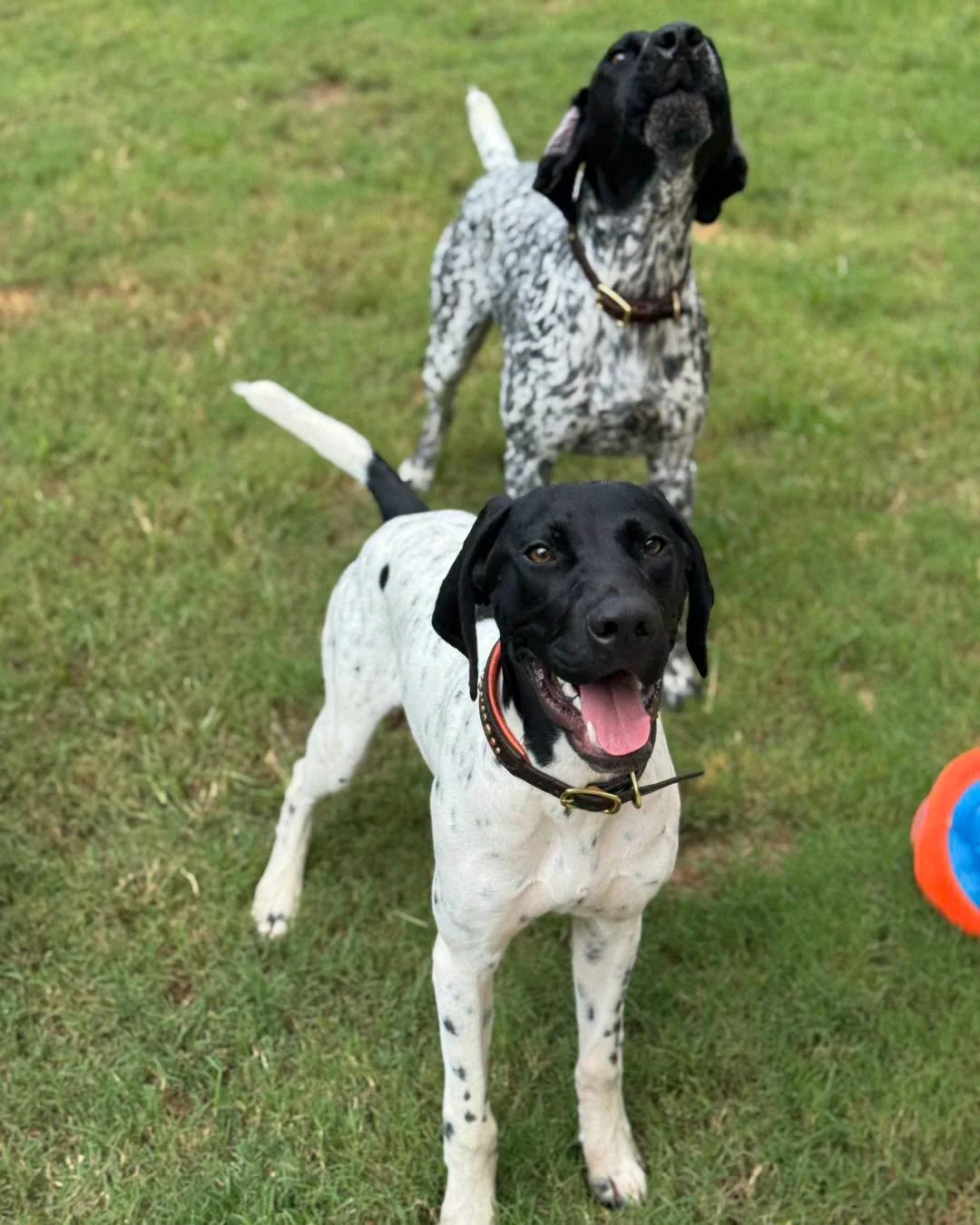
What Makes a Good Detection Dog? Why More Isn’t Always Better
What makes a good detection dog? It’s about a lot more than simply having “high drive.” From professional detection work to competitive nosework, the right dog depends on the job, the handler, and the goal.
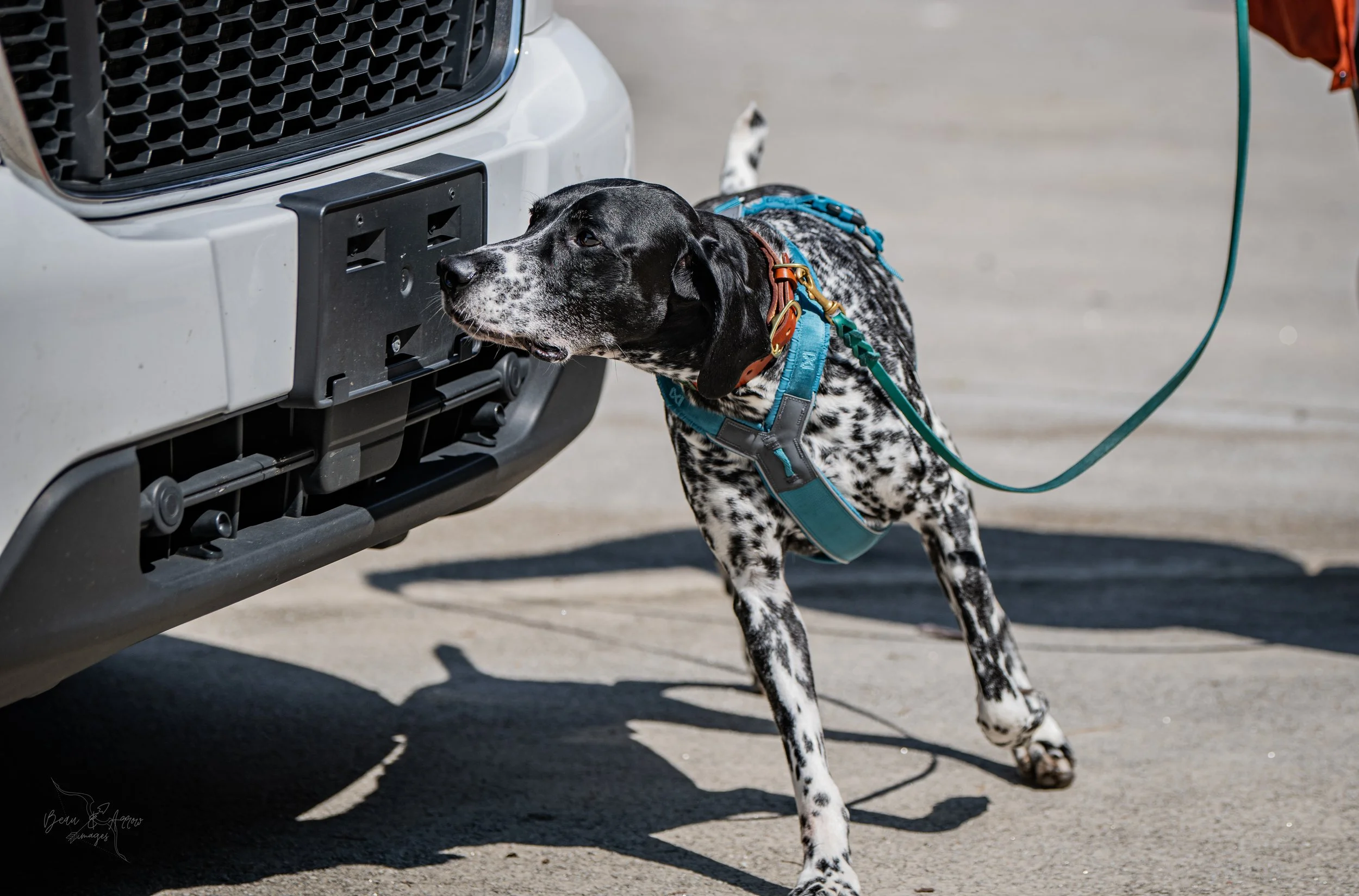
Building Value for Odor: Part 3 — Quality Over Quantity
Quality training isn't measured by the number of searches you run or the time you spend training. It's measured by the quality of the learning that takes place. Discover how memory consolidation, confidence, clarity, and meaningful reinforcement work together to strengthen your dog's value for odor.
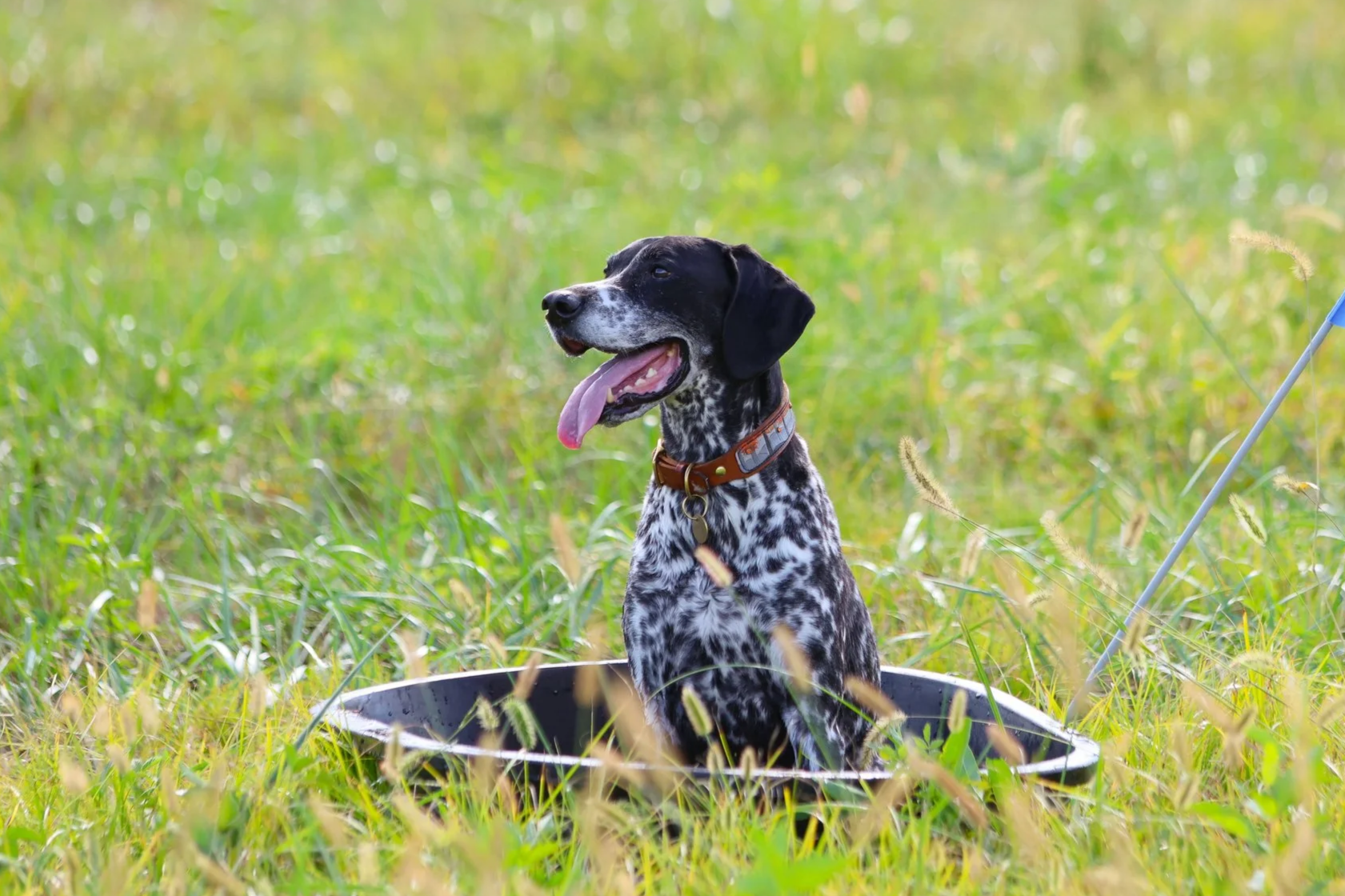
Preparing Dogs to Work in the Heat
If we expect dogs to work, compete, or deploy in hot and humid conditions, they need experience in those conditions. But preparation and safety have to go hand in hand. Understanding how heat affects the individual dog is what allows handlers to make better decisions before performance suffers or a situation becomes dangerous.
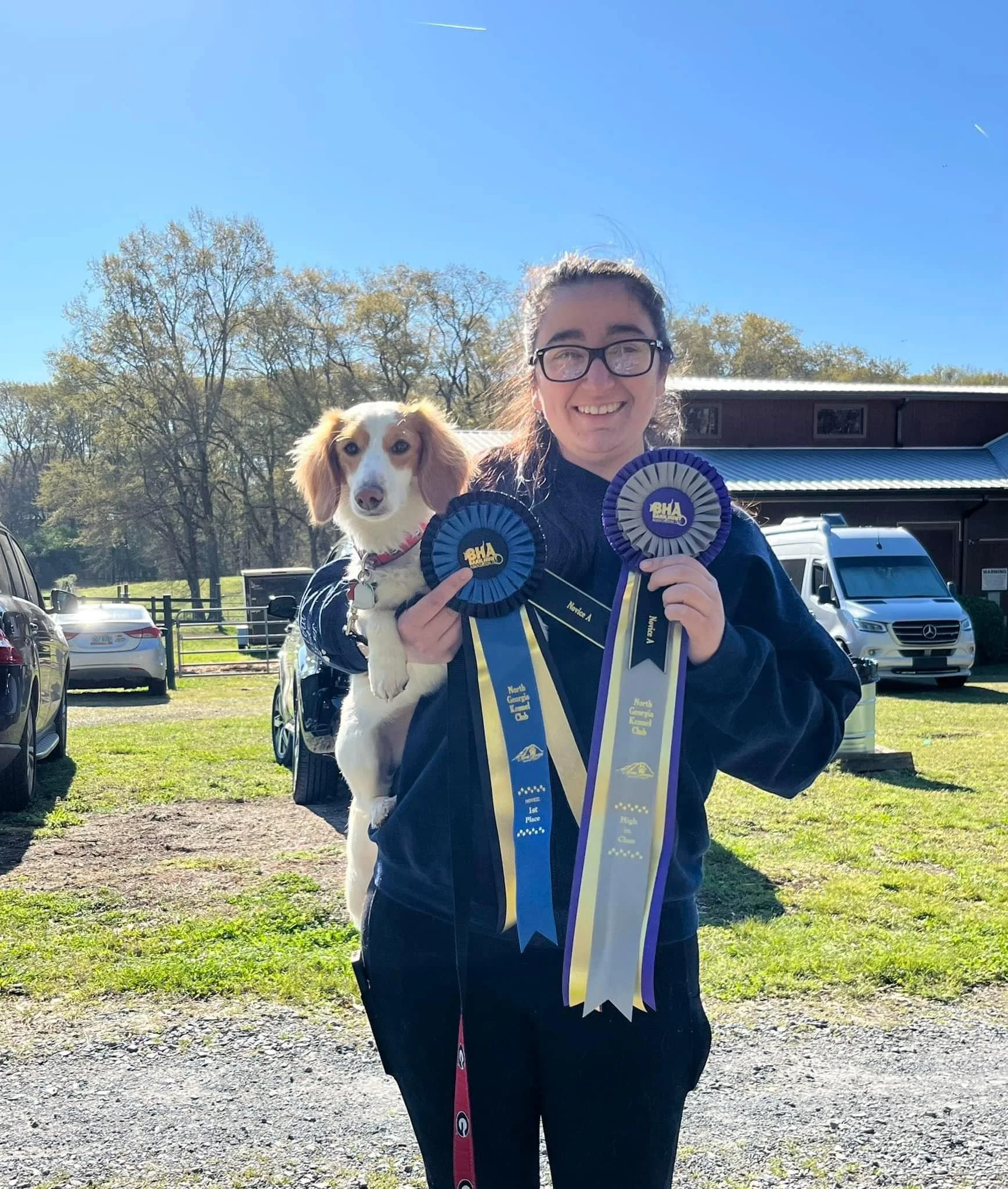
We Build People the Same Way We Build Dogs
The same principles that build confident, capable dogs also build confident, capable handlers. Effective coaching isn't about correcting everything at once. It's about identifying what matters most, teaching one skill at a time, and helping teams progress together.
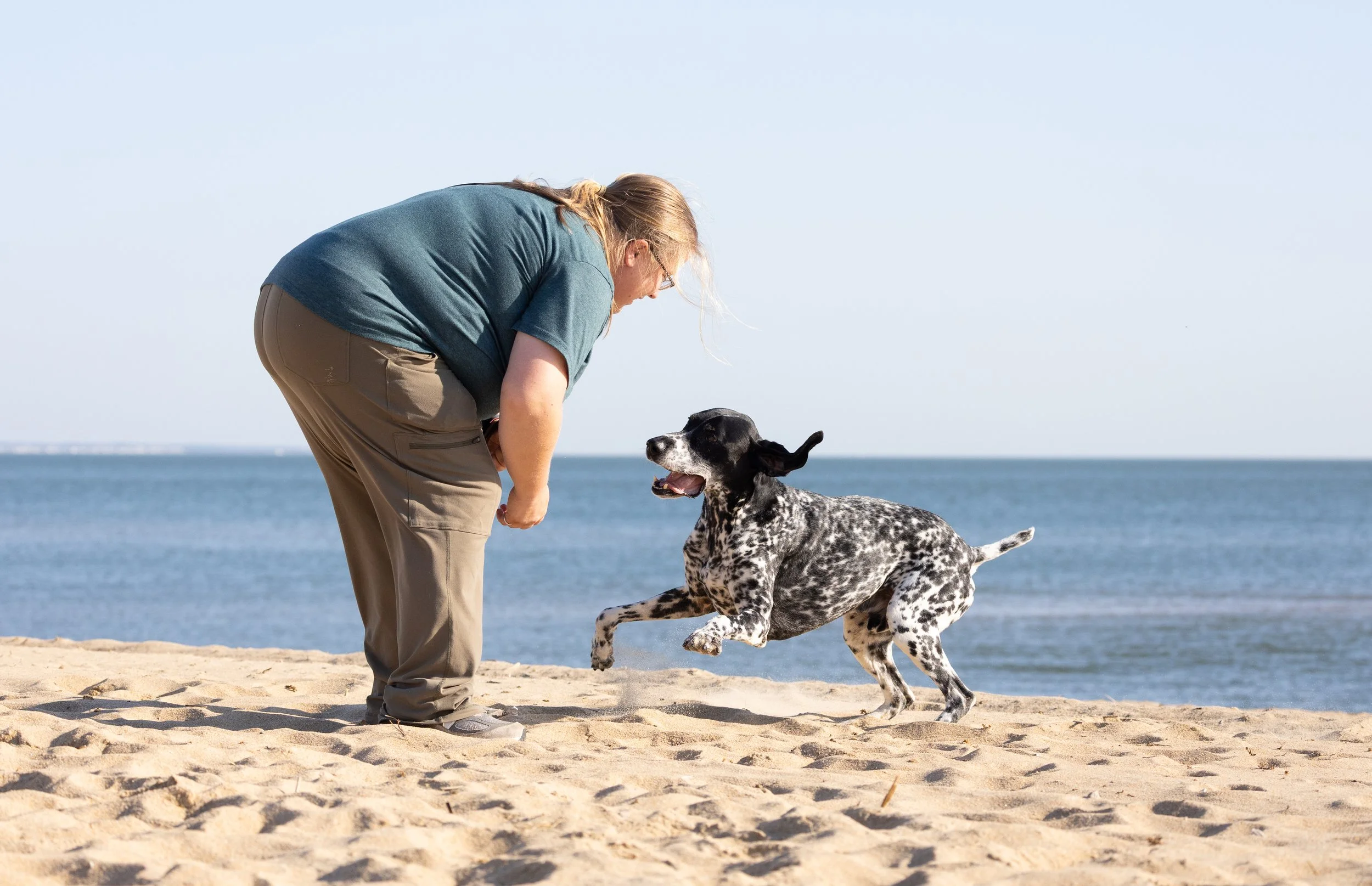
The Dreams We Never Get To Finish
Every great dog eventually teaches us the same difficult lesson: we'll run out of time before we run out of dreams. Tavi has shaped not only my journey in nosework but also the trainer and person I've become.
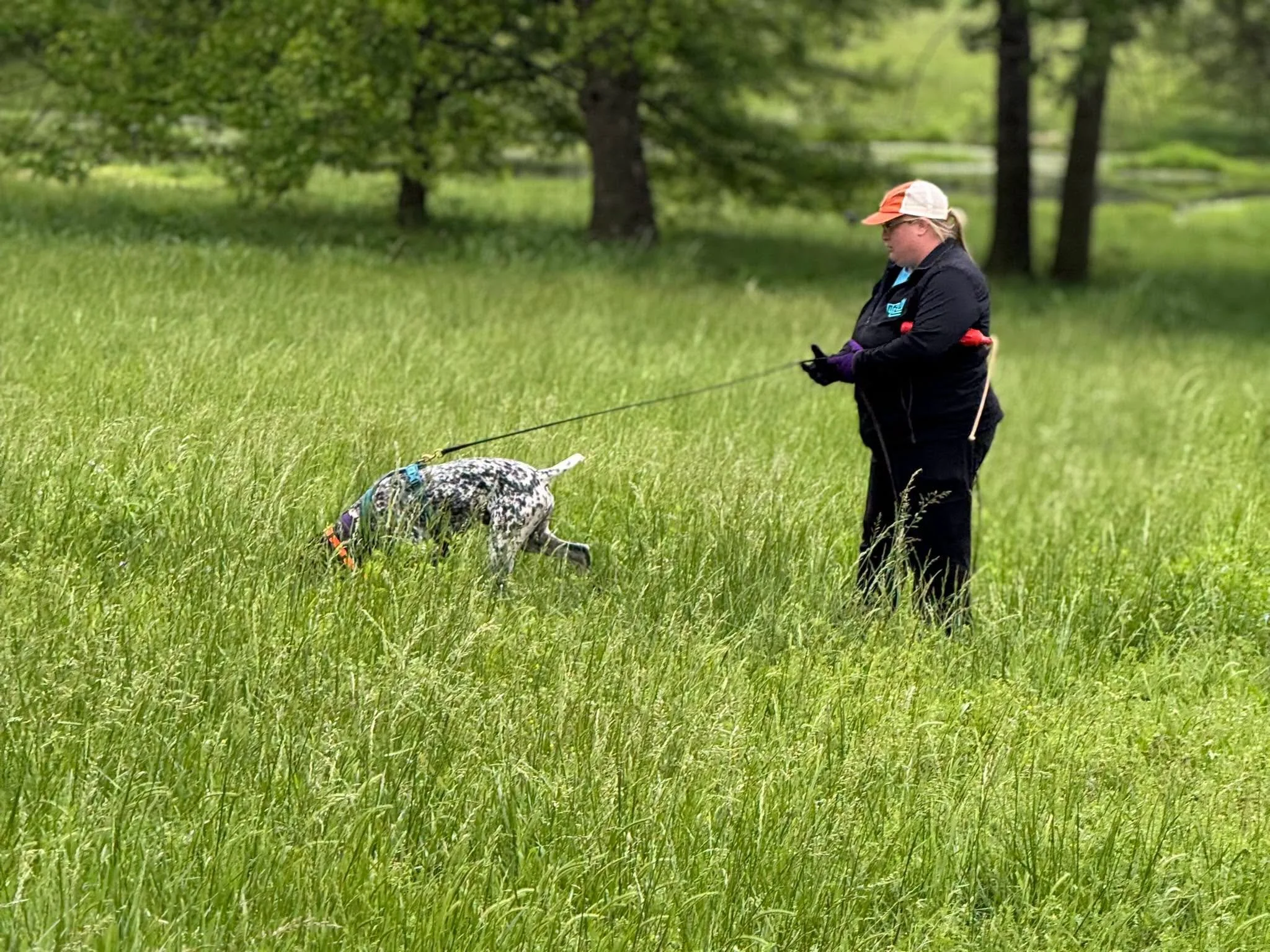
Training Is Not Testing
Effective dog training isn't about expecting perfect performances in every repetition. It's about intentionally teaching individual skills, one piece at a time, until they come together into a confident, capable team.
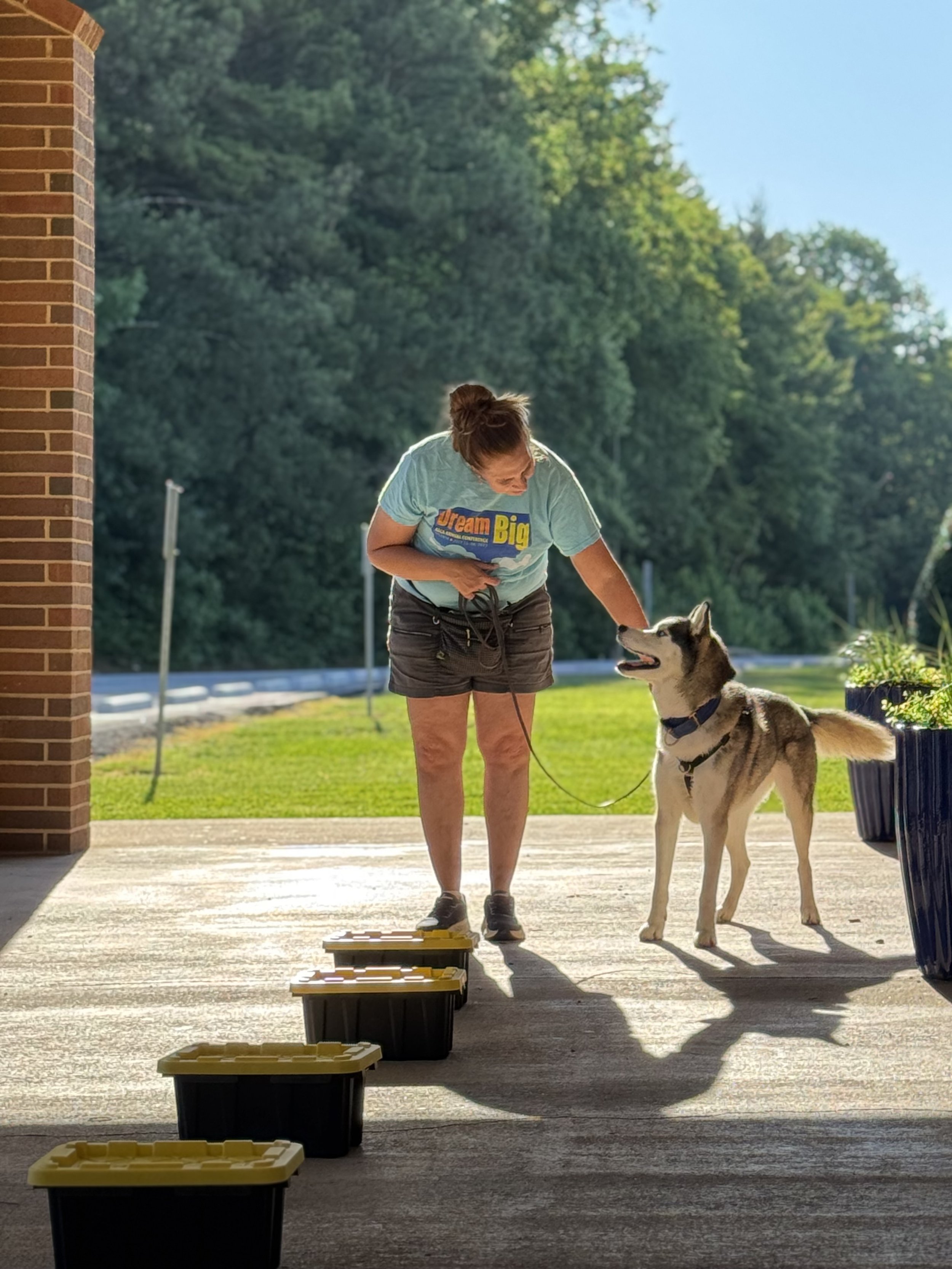
Distractors Aren't the Problem
Distractors aren't something dogs are born ignoring. They're something we teach dogs to work through. Learn why I fill every container with information and how intentional training builds confident odor discrimination.
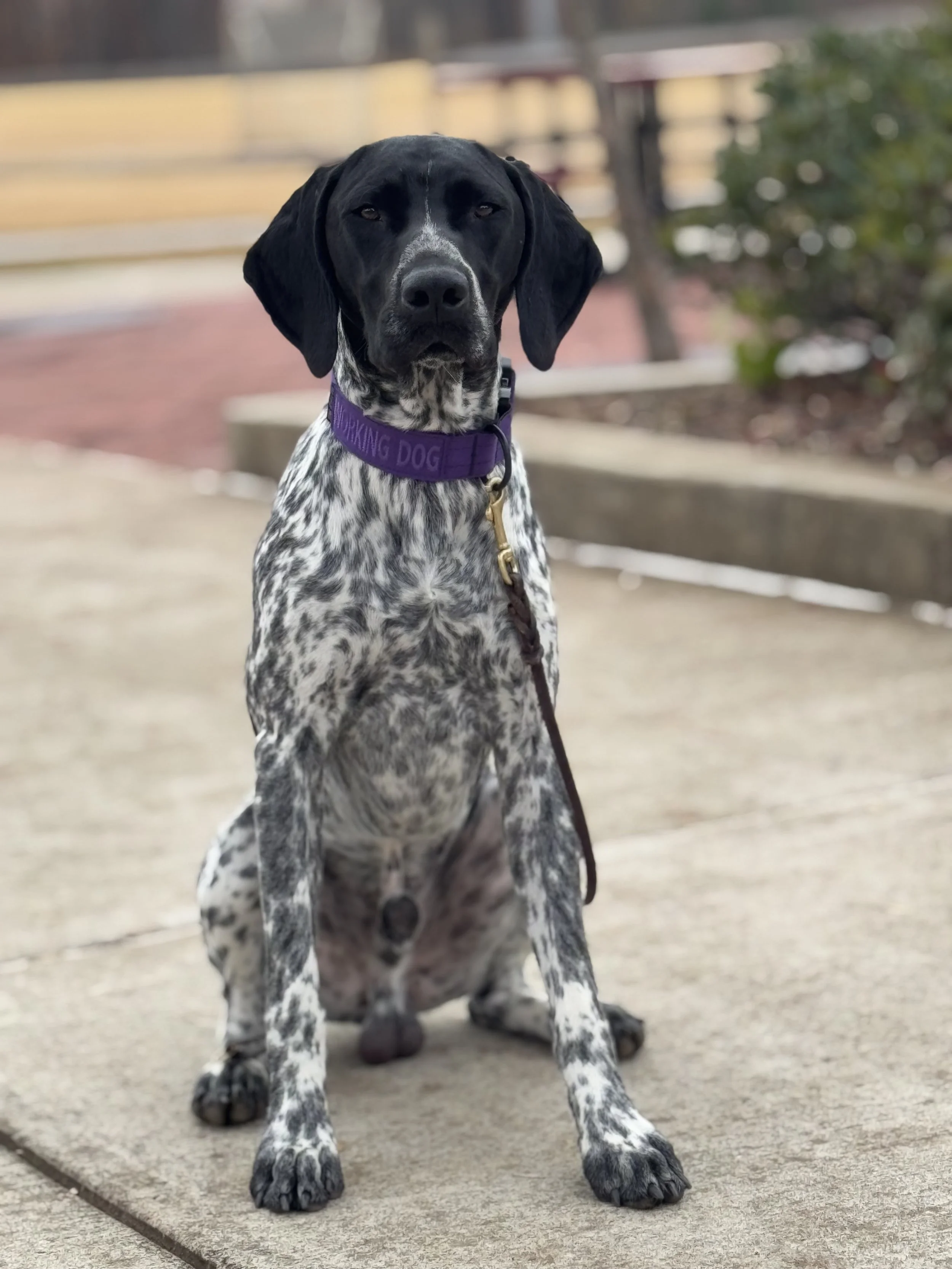
When the Dog in Front of You Changes the Plan
I planned the session carefully, traveled, set everything up, and then Kieran wouldn’t work. What happened next was a reminder that when a dog suddenly does something completely out of character, that change is information worth listening to.